
From us, for you
Driving on Curaçao: what you need to know
The rules, the unexpected stuff (iguanas, goats, flash floods), and what most rental companies don't tell you.
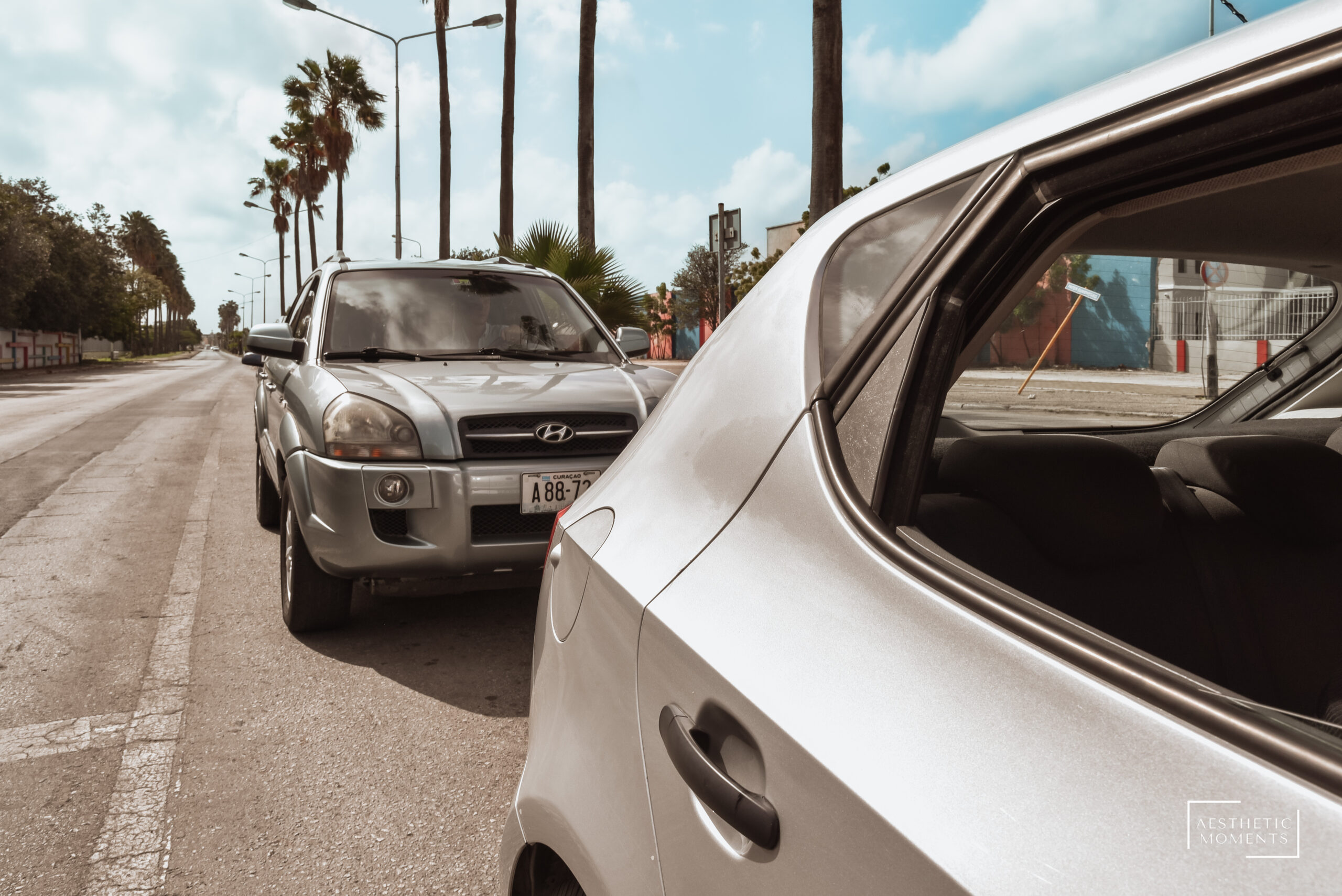
Curaçao is easy to drive. Roads are mostly good, signs are in Dutch and English, and most tourists get by on instinct. But there are a handful of things that catch people out — and that the glossy rental websites don't always mention. Here's the honest version.
The basics
Drive on the right. Seat belts are mandatory for everyone in the car. Phones: hands-free only, and it's enforced.
Speed limits are 40 km/h in towns (strictly enforced), 60 km/h outside built-up areas, and 80 km/h on the large multi-lane roundabouts. There are no true highways on Curaçao. Don't expect German autobahn speeds anywhere.
Your license
EU, US, UK, Canadian, and Australian driver's licenses are all valid in Curaçao for tourist stays up to six months. No international permit needed as long as your license uses the Latin alphabet.
The minimum age to drive is 18. The minimum age to rent a car at Palmera is 21 — some rental companies require 25 for certain classes, we don't.
What catches tourists out
Curaçao's wildlife crosses roads. Iguanas (especially warming themselves in morning sun), goats, and sometimes donkeys will stand in the road or dart out. Slow down in rural areas. Hitting an iguana is usually survivable for the car; hitting a goat is not — and you're liable.
Potholes. Main roads are well-maintained. Secondary and rural roads can have serious potholes, especially after heavy rain. A low sedan like our Honda Civic will survive — you'll just go slowly in stretches.
Pedestrians in Willemstad. Punda and Otrobanda have narrow one-way streets with pedestrians everywhere. Pay attention. Speed limit in the historic center drops to 30 km/h.
Rain season (October–December)
"Rainy season" here doesn't mean constant rain. It means short, dramatic downpours that end within an hour. But during those downpours, dirt roads become impassable and low-lying streets flood in minutes.
If it's raining heavily, don't attempt unpaved roads. Wait it out in a café. Everyone on the island does the same — no judgment.
Parking
Most of Curaçao has free parking. The exceptions are Punda and Otrobanda (central Willemstad), where you'll use pay-and-display machines or the Curaçao parking app. Rates are low — a few guilders per hour.
Shopping centers and beaches are free. Some popular beaches (Kenepa Grandi, Cas Abao) charge a small entry fee, not a parking fee, and that includes the lot.
Fueling up
Fuel is government-regulated, so station-to-station differences are minimal. Curoil stations (the local state-owned supplier) are 24/7 automated — pay at the pump. Read our dedicated fuel guide for where stations are sparse.
Our honest tips
- Use Waze — it handles Curaçao better than Google Maps
- Fill up before heading west past Soto — stations get sparse
- Keep a scan of your license and rental papers on your phone
- Carry some coins for the pay-and-display machines in Willemstad
- Respect the 40 km/h limit — mobile speed traps are common on the ring road
If anything surprises you on the road, send us a WhatsApp. Chances are we've seen it.
Want a personal quote? Send a message.
WhatsApp is our direct line.